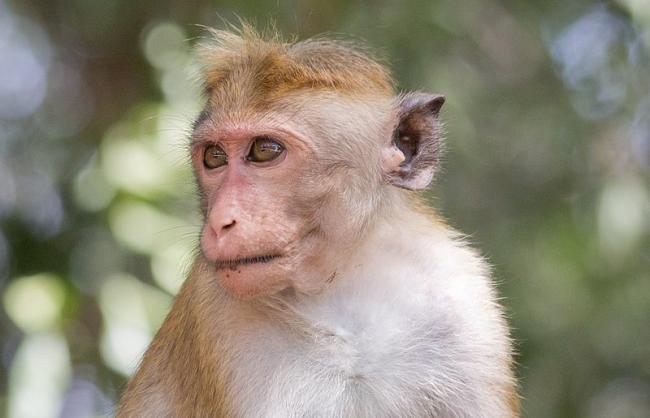
Pregnancy loss occurs in 26 percent of Zika-infected monkeys
New York, July 7 (IBNS): Fetal death in utero occurred in more than one-fourth of monkeys infected in the laboratory with Zika virus in early pregnancy, according to new research published in Nature Medicine.
The finding raises the concern that Zika virus-associated pregnancy loss in humans may be more common than currently thought, according to the study authors.
A large team of experts aggregated data on Zika-infected macaques from six National Primate Research Centers (NPRCs)(link is external) in the United States for the new analysis. The study was funded in part by the National Institute of Allergy and Infectious Diseases (NIAID) and the Eunice Kennedy Shriver National Institute of Child Health and Human Development (NICHD), both components of the National Institutes of Health.
Zika virus is most often transmitted to humans via the bite of an infected Aedes aegypti mosquito. It also is transmitted sexually.
Many people infected with Zika virus will not have symptoms; others may have fever, rash, headache, joint pain, red eyes, and muscle pain.
Zika virus can be passed from an infected pregnant woman to her fetus and cause a range of birth defects collectively known as congenital Zika syndrome.
Although Zika virus was first discovered in 1947, Zika-related birth defects were not reported until 2015 during a large outbreak of Zika in the Americas.
No licensed treatments or vaccines for Zika virus are currently available, but many are in various stages of development. For example, NIAID is leading an international Phase 2 trial of an experimental Zika vaccine.
Research recently published in the New England Journal of Medicine showed a 5.8 percent miscarriage rate and a 1.8 percent stillbirth rate in a cohort of pregnant women with symptomatic Zika virus infection in French Guiana, Guadalupe or Martinique. Authors of the new nonhuman primate analysis note that the rates from the NEJM study could be an underestimate—the study included only symptomatic pregnant women, whereas many people with Zika infection are asymptomatic.
For the new analysis, experts combined published and unpublished data from various studies of pregnant macaques infected with Zika virus.
Fetal death (miscarriage or stillbirth) occurred in 13 of 50 (26 percent) of the animals studied.
Macaques infected early in pregnancy had significantly higher rates of fetal death than those infected after gestation day 55.
The results track with human data showing more severe fetal outcomes in women infected with Zika in their first trimester compared to those infected later in pregnancy.
The rates of fetal death in macaques underscore the need for careful monitoring of fetal loss and stillbirth in Zika-affected human pregnancies, the authors write.
Image: Wikimedia Commons
Support Our Journalism
We cannot do without you.. your contribution supports unbiased journalism
IBNS is not driven by any ism- not wokeism, not racism, not skewed secularism, not hyper right-wing or left liberal ideals, nor by any hardline religious beliefs or hyper nationalism. We want to serve you good old objective news, as they are. We do not judge or preach. We let people decide for themselves. We only try to present factual and well-sourced news.
Support objective journalism for a small contribution.