


 Skin Cancer
One in three nonmelanoma skin cancer deaths linked to working outdoors, says WHO-ILO report
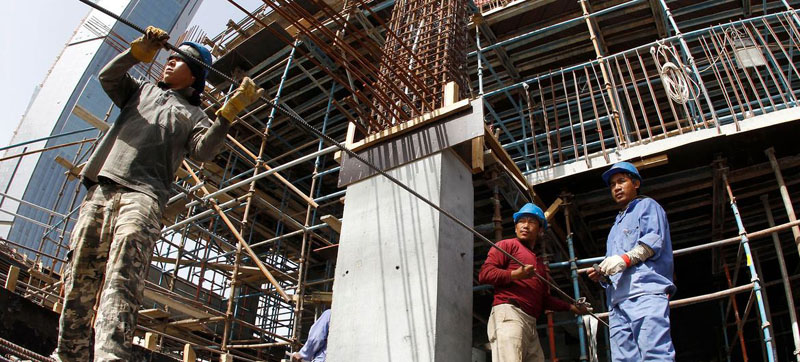
Nearly one in every three deaths from nonmelanoma skin cancer is caused by working under the sun, according to a joint report released on Wednesday by the UN World Health Organization (WHO) and the International Labour Organization (ILO).
Nonmelanoma skin cancer refers to a group of cancers that develop in the upper layers of the skin. The two main subtypes of this cancer are basal cell carcinoma and squamous cell carcinoma.
The research highlights the alarming burden caused by the disease through occupational exposure to solar ultraviolet radiation and underscores the need for far better preventative measures.
Estimates reveal that in 2019, approximately 1.6 billion working-age people aged 15 or older were exposed to solar ultraviolet radiation while working outdoors, equivalent to 28 per cent of the global working-age population.
In the same year, nearly 19,000 people across 183 countries succumbed to nonmelanoma skin cancer due to sun exposure toiling outdoors, the majority (65 per cent) of them male.
Third-highest risk at work
“Unprotected exposure to solar ultraviolet radiation at work is a major cause of occupational skin cancer. But there are effective solutions to protect workers from the sun's harmful rays and prevent their deadly effects,” emphasized Tedros Adhanom Ghebreyesus, WHO Director-General.
Occupational exposure to solar ultraviolet radiation has been identified as the third highest work-related risk factor for cancer deaths globally.
Over the period from 2000 to 2019, skin cancer deaths linked to workplace sun exposure nearly doubled, increasing by 88 per cent, from 10,088 deaths in 2000 to 18,960 deaths in 2019.
Deaths largely preventable
According to Gilbert Houngbo, ILO Director-General, the deaths due to work exposure are “largely preventable through cost-effective measures”.
“It is urgent that governments, employers, and workers work together to reduce the occupational risk of UV exposure. This can save thousands of lives every year,” he highlighted.
The two UN agencies are calling for more robust action to protect workers from the hazards of sunlight exposure.
This will require protection from solar ultraviolet radiation to start when workers first start being outdoors, so they can be safeguarded throughout their careers.
Government action
Policy recommendations include providing shade, adjusting working hours away from the solar noon period, education and training, and equipping workers with sunscreen and personal protective clothing.
Additionally, measures should be taken when the ultraviolet index, a measure of skin-damaging ultraviolet radiation, reaches level three or higher.
To support these efforts, in June last year, UN agencies launched the SunSmart Global UV App, allowing outdoor workers to estimate their exposure to solar ultraviolet radiation as well as providing UV and weather forecast. The app is available for download on Apple and Android platforms.
Support Our Journalism
We cannot do without you.. your contribution supports unbiased journalism
IBNS is not driven by any ism- not wokeism, not racism, not skewed secularism, not hyper right-wing or left liberal ideals, nor by any hardline religious beliefs or hyper nationalism. We want to serve you good old objective news, as they are. We do not judge or preach. We let people decide for themselves. We only try to present factual and well-sourced news.
Support objective journalism for a small contribution.


