Malaria claims 50K lives in India per year: ASSOCHAM
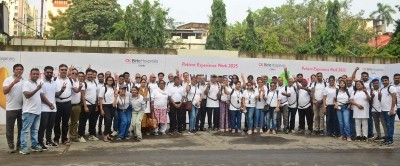
Representatives of the CSR Foundation of The Associated Chambers of Commerce and Industry of India (ASSOCHAM) would be organising awareness programmes across urban slums and other vulnerable areas in five metro cities of - Delhi, Mumbai, Bangalore, Chennai and Kolkata to educate people about water-borne diseases like malaria, cholera, gastroenteritis, diarrhoea and others that erupt every year during summer and rainy seasons due to poor quality of drinking water supply and sanitation.
“Malaria morbidity and mortality is a matter of major public health concern as it hugely affects social and economic conditions of the people and leads to poverty,” said D.S. Rawat, secretary general of ASSOCHAM.
“About 75 per cent of India’s water supply is seriously polluted with sewage and industrial effluents promoting water-borne diseases which affect over 70 million working days,” said Rawat.
“Besides, groundwater available in over 200 districts in India is not fit for drinking owing to excessive concentration of fluoride, iron, salinity and arsenic which affects about two lakh habitations as 85 per cent of population is dependent upon groundwater,” said Rawat.
“Growing industrialization, rapid urbanization, growth of unauthorized colonies, lack of amenities, dearth of medical facilities, garbage disposal in the open and other related factors are adversely affecting the safe drinking water supply across most parts of the country.”
ASSOCHAM CSR Foundation would increase public awareness about malaria by encouraging community participation through mass media and interpersonal communication and consolidate inter-sectoral collaborative efforts along with corporate and voluntary organizations at all levels for prevention and control of malaria.
“We would be holding community meetings to sensitize people about various measures to be taken for malaria prevention like keeping one’s surroundings clean, using a mosquito net while sleeping, getting blood sample tested in case of fever and others,” said Rawat.
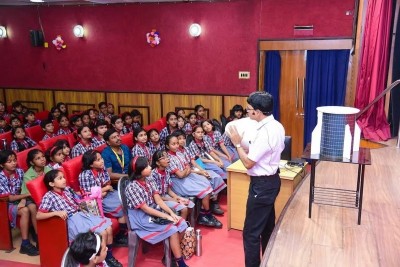
“Apart from community level meetings, we would also organise exhibition-cum-awareness meetings at various schools to sensitize the students about malaria and other vector borne diseases to encourage the students to spread the messages to their family members and thereby help the society as a whole.”
“It is imperative to inform people about destroying mosquito-breeding sources and insist people to use mosquito nets,” said Rawat. “A pro-active awareness campaign to propagate the message is surely a step towards curbing the menace of malaria.”
ASSOCHAM in the past has suggested most of the state governments to provide blood slide collection facilities together with examination and treatment of malaria with the use of rapid diagnostic tools and better drugs and medicines free of cost at all health centres, more so in the high endemic areas as the rural population with limited access to quality healthcare and basic facilities are often the worst sufferers.
Prevention and control of malaria would be successful only with close co-operation of government and non-governmental organisations, health workers and through community participation.
Support Our Journalism
We cannot do without you.. your contribution supports unbiased journalism
IBNS is not driven by any ism- not wokeism, not racism, not skewed secularism, not hyper right-wing or left liberal ideals, nor by any hardline religious beliefs or hyper nationalism. We want to serve you good old objective news, as they are. We do not judge or preach. We let people decide for themselves. We only try to present factual and well-sourced news.
Support objective journalism for a small contribution.