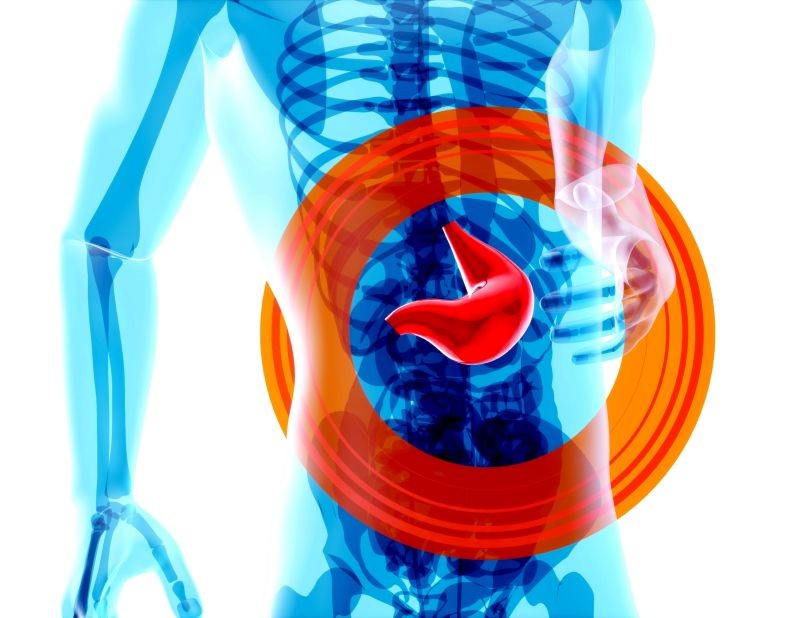
 Hepatitis
India steps up fight against Hepatitis, targets elimination by 2030
The Government of India has said it is systematically dismantling healthcare barriers as it works towards eliminating viral hepatitis as a public health threat by 2030.
The National Viral Hepatitis Control Programme (NVHCP) has adopted a health systems approach by integrating with various national health programmes to prevent infections and ensure access to free diagnostics, medicines and treatment for people affected by the disease.
What is Hepatitis?
Hepatitis is an inflammation of the liver caused by hepatitis viruses, other infections, excessive alcohol consumption, certain drugs, or autoimmune diseases. There are five major hepatitis viruses—A, B, C, D and E. Among them, hepatitis B and hepatitis C are the leading causes of chronic liver disease, including cirrhosis and liver cancer.
Recognising hepatitis as a major public health challenge, the Government of India launched the National Viral Hepatitis Control Programme in 2018. The initiative aligns with the United Nations Sustainable Development Goal of eliminating viral hepatitis as a public health threat by 2030.
National Viral Hepatitis Control Programme
The NVHCP focuses on preventive, promotive and curative interventions, with emphasis on public awareness, expanded access to healthcare, timely diagnosis and treatment for all patients requiring care.
The programme addresses infections caused by hepatitis A, B, C, D and E viruses.
While hepatitis A and E are generally acute, symptomatic and prone to outbreaks, they are monitored under the Integrated Disease Surveillance Programme (IDSP).
For hepatitis B and C, the government provides free diagnostic services and medicines to all eligible patients.
The programme also operates a paperless patient management and monitoring system through the NVHCP Management Information System (MIS) portal, enabling real-time tracking and improved service delivery.
Disease Burden in India
Seroprevalence refers to the proportion of people who test positive for a disease in a sample survey.
According to India's 2021 HIV Sentinel Surveillance, around 0.85 per cent of those tested were positive for hepatitis B, while 0.29 per cent tested positive for hepatitis C—equivalent to approximately one in every 118 people and one in every 345 people, respectively.
Integrated National Health Response
The government's hepatitis control strategy is supported through several national health programmes.
Under the Reproductive, Maternal, Newborn, Child, Adolescent Health and Nutrition (RMNCAH+N) Programme, all pregnant women are universally screened for hepatitis B.
The Universal Immunisation Programme (UIP) aims to ensure every newborn receives the hepatitis B birth dose, while babies born to hepatitis B-positive mothers are also administered Hepatitis B Immunoglobulin (HBIG) within 24 hours of birth.
The National AIDS Control Programme (NACP) screens high-risk groups for hepatitis B and C through healthcare facilities and outreach initiatives. It also provides hepatitis B vaccination to healthcare workers and hepatitis B-negative high-risk groups to reduce transmission.
The National Tuberculosis Elimination Programme (NTEP) supports hepatitis diagnosis by leveraging its existing molecular testing infrastructure.
Meanwhile, blood transfusion services ensure that donors testing positive for hepatitis B or C are linked to appropriate treatment and care.
Public Awareness and Helpline
The programme also operates a toll-free helpline—1800-11-6666—shared with the National Tuberculosis Elimination Programme. The helpline provides information on hepatitis prevention, modes of transmission, treatment options and the locations of healthcare facilities offering services under the programme.
Progress Towards 2030
Since its launch in 2018, the National Viral Hepatitis Control Programme has significantly expanded access to free screening and treatment for hepatitis B and C across India.
The government said strategic use of domestic resources, affordable generic medicines and integration with existing healthcare programmes has enabled wider coverage. Services are now being decentralised from district hospitals to primary and community health centres, making hepatitis testing and treatment more accessible, particularly in underserved areas, as India works towards its 2030 elimination target.
Support Our Journalism
We cannot do without you.. your contribution supports unbiased journalism
IBNS is not driven by any ism- not wokeism, not racism, not skewed secularism, not hyper right-wing or left liberal ideals, nor by any hardline religious beliefs or hyper nationalism. We want to serve you good old objective news, as they are. We do not judge or preach. We let people decide for themselves. We only try to present factual and well-sourced news.
Support objective journalism for a small contribution.