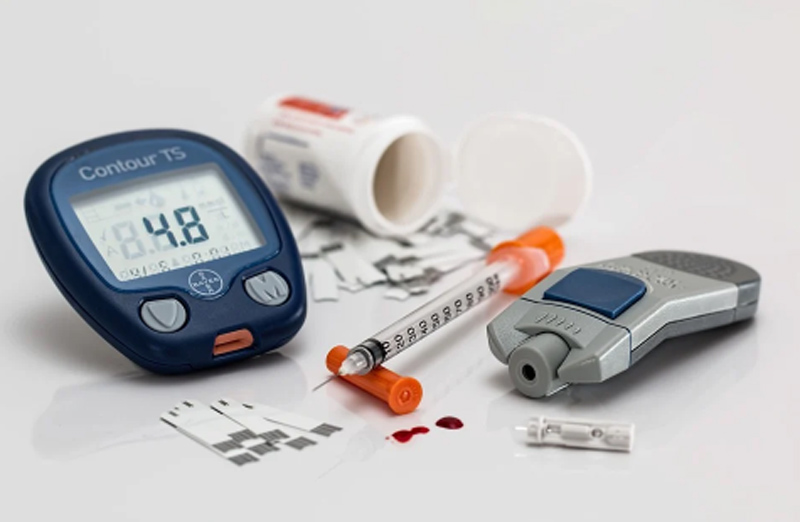
 Low Blood Sugar
Incidence of low blood sugar reduced by up to 53.5% by digital health intervention: BeatO
Kolkata: A recent study by smart diabetes management platform BeatO found that using digital health tools and counselling to support the management of diabetes can help reduce the incidence of low blood sugar levels by up to 53.5%.
The retrospective study presented at the Asian ACPCON 2021 by BeatO showed a significant impact on the reduction of hypoglycemia incidence. Up to 81% of the 7,514 diabetes patients included in the study did not have even a single episode of low blood sugar levels in a sustained period of 11 months.
New digital health technologies are changing the way patients can track their condition, consult doctors and other caregivers. The Digital Health Market size was estimated at over USD 106 billion in 2019 and the industry is expected to grow at 28.5% CAGR through 2026. The onset of the Covid-19 pandemic also contributed to increase in the adoption of digital health technologies across the world.
The study evaluated the medical records of 7,514 diabetes patients across India over a period of 11 months in order to assess the program’s impact on hypoglycemia incidence and the associated factors. The patients were chosen on the criterion of having availed at least one counselling session with a certified diabetes educator on the platform. Post counselling, the hypoglycemia incidence was significantly (p<0.001) reduced by 53.5%, 47.4%, 39.3% and 39.2% in fasting, postprandial, preprandial and random readings respectively.
As a result, not even a single episode of hypoglycemia was observed post counselling across 81% of the patient population. It was found that 80% of patients showing improvement in hypoglycemia incidence were mostly aged above 40 years, 91.5% of which had Type 2 Diabetes and were using metformin.
In India, it is one of the largest real-world evidence based big data study to assess the impact of digital diabetes care program on hypoglycemia incidence.
BeatO provides a connected diabetes care program via smartphone-connected glucometer, mobile app, real-time glucose monitoring, contextualized feedback and counselling ecosystem. The study showcases that using BeatO's digital model which consists of BeatO’s smartphone-connected glucometer for SMBG and real-time counselling sessions by BeatO’s certified diabetes educators can support patients in managing their blood sugar levels and reducing the occurrence of hypoglycemia. Such digital tools when used in concurrence with doctor consults and other active interventions such as regular medication can help provide awareness, education and support to patients - helping them prevent or reduce complications of low sugar. The real-time insights expedite the process of getting timely care.
Commenting on the study, Gautam Chopra, Co-Founder & CEO, BeatO said “This study was aimed at understanding the supporting impact of BeatO’s connected diabetes care program on hypoglycemia incidence and factors associated with hypoglycemia incidence in India. It has contributed to our understanding of how a connected ecosystem which includes real-time glucose monitoring, feedback and counselling can reinforce engagement and in turn help reduce the occurrence of hypoglycemia.”
Furthermore, the study shows that elderly patients above the age of 60, along with patients on insulin require more direct and intensified intervention to improve their hypoglycemia episodes.
Support Our Journalism
We cannot do without you.. your contribution supports unbiased journalism
IBNS is not driven by any ism- not wokeism, not racism, not skewed secularism, not hyper right-wing or left liberal ideals, nor by any hardline religious beliefs or hyper nationalism. We want to serve you good old objective news, as they are. We do not judge or preach. We let people decide for themselves. We only try to present factual and well-sourced news.
Support objective journalism for a small contribution.