From fireballs to a supermoon: November’s night sky promises a cosmic treat
November is shaping up to be a spectacular month for stargazers and skywatchers, offering a series of dazzling celestial events- from meteor showers and planetary alignments to the year’s biggest and brightest full moon.
The month opens with the Taurid meteor showers, famous for their slow, brilliant fireballs that streak across the sky.
By mid-November, the skies will come alive again with the Leonids, one of the most popular annual meteor showers, peaking around November 17–18 with up to 15 meteors per hour under dark skies.
Adding to the cosmic drama, Uranus reaches opposition on November 17, appearing at its brightest and closest to Earth- a perfect opportunity for telescope enthusiasts.
Meanwhile, Jupiter and Saturn continue to shine brightly in the evening sky, visible to the naked eye.
Key celestial events in November
Meteor Showers
Southern Taurids (Nov 4–5): Up to 7 meteors per hour, known for bright fireballs.
Northern Taurids (Nov 11–12): Slower meteors, up to 5 per hour, occasionally producing spectacular flares.
Leonids (Nov 17–18): Fast, bright meteors peaking under dark skies, up to 15 per hour.
Alpha Monocerotids (Nov 21): Usually quiet but capable of rare, dramatic outbursts — sometimes exceeding 1,000 meteors per hour.
November Orionids (Nov 28): Faint meteors, around 3 per hour, closing the month’s show.
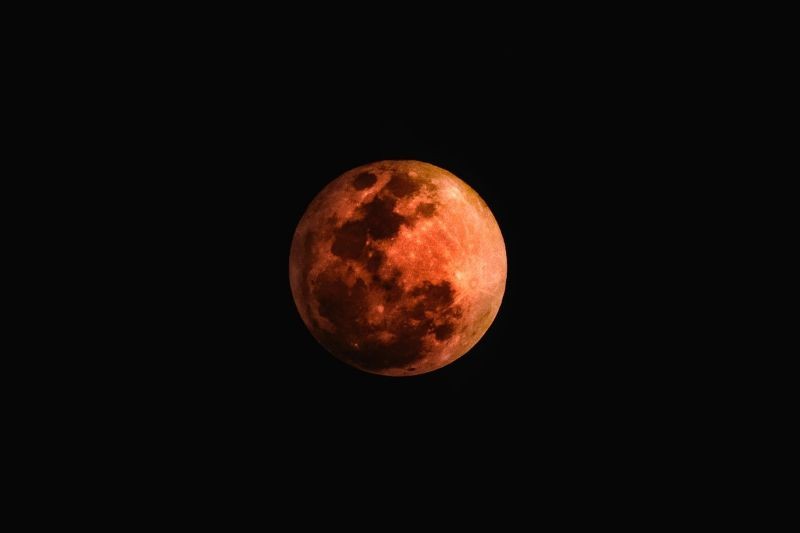
Full Beaver Supermoon- November 5
The Full Beaver Moon will be the largest and brightest supermoon of 2025, appearing 8% larger and 16% brighter than usual — a stunning sight as it rises just after sunset.
Planetary Highlights
Mercury’s Highest Point (Early Nov): Best visibility after sunset.
Venus Meets Mercury (Nov 25): The two planets will appear side by side low on the horizon.
Uranus at Opposition (Nov 17): Visible all night near the Pleiades cluster in Taurus.
Saturn’s Ring Plane Crossing (Nov 23): A rare event where the planet’s rings appear nearly invisible due to Earth’s alignment.
When to watch?
Experts recommend heading out to dark, open areas away from city lights and allowing your eyes 15–20 minutes to adjust to the dark.
Binoculars or telescopes can enhance planetary viewing, while meteor showers are best enjoyed with the naked eye.
With so many cosmic events packed into a single month, November promises to be a celestial feast, a reminder to look up and marvel at the universe’s nightly show.
Support Our Journalism
We cannot do without you.. your contribution supports unbiased journalism
IBNS is not driven by any ism- not wokeism, not racism, not skewed secularism, not hyper right-wing or left liberal ideals, nor by any hardline religious beliefs or hyper nationalism. We want to serve you good old objective news, as they are. We do not judge or preach. We let people decide for themselves. We only try to present factual and well-sourced news.
Support objective journalism for a small contribution.