


Feeling anxious? blame size of your waistline, says study
New Delhi, Apr 11 (IBNS): Anxiety is one of the most common mental health disorders, and it’s more likely to affect women, especially middle-aged women.
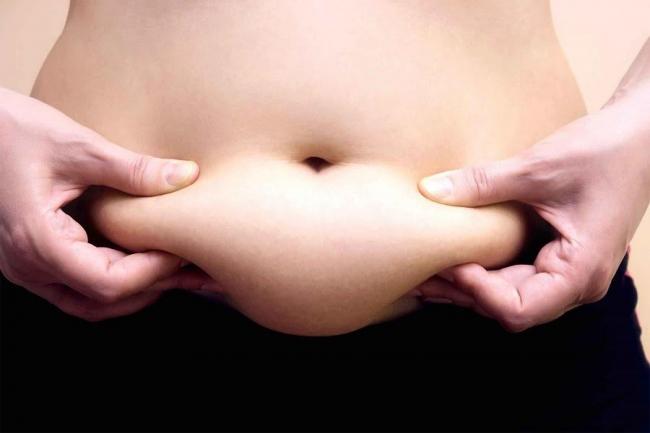
Although anxiety can be caused by many factors, a new study suggests that the amount of abdominal fat a woman has could increase her chances of developing anxiety.
Study results were published online recently in Menopause, the journal of The North American Menopause Society (NAMS).
Everyone is familiar with the term “stress eating” that, among other things, can lead to a thicker waistline. In this study that analyzed data from more than 5,580 middle-aged Latin American women (mean age, 49.7 years), the cause-and-effect relationship was flipped to determine whether greater abdominal fat (defined as waist-to-height ratio in this instance) could increase a woman’s chances of developing anxiety.
Although this is not the first time this relationship has been examined, this study is the first of its kind known to use waist-to-height ratio as the specific link to anxiety.
Waist-to-height ratio has been shown to be the indicator that best assesses cardiometabolic risk.
A general guideline is that a woman is considered obese if her waist measures more than half of her height.
The article “Association between waist-to-height ratio and anxiety in middle-aged women: a secondary analysis of a cross-sectional multicenter Latin American study” reports that 58% of the study population were postmenopausal, and 61.3% reported experiencing anxiety.
The study found that those women in the middle and upper thirds of waist-to-height ratios were significantly more likely to have anxiety, and those in the upper third were more likely to actually display signs of anxiety compared with women in the lower two-thirds.
Anxiety is a concern because it is linked to heart disease, diabetes, thyroid problems, respiratory disorders, and drug abuse, among other documented medical problems.
Research has shown an increase in the frequency of anxiety in women during midlife, likely as a result of decreased levels of estrogen, which has a neuroprotective role.
“Hormone changes may be involved in the development of both anxiety and abdominal obesity because of their roles in the brain as well as in fat distribution. This study provides valuable insights for healthcare providers treating middle-aged women, because it implies that waist-to-height ratio could be a good marker for evaluating patients for anxiety,” says Dr. JoAnn Pinkerton, NAMS executive director
Support Our Journalism
We cannot do without you.. your contribution supports unbiased journalism
IBNS is not driven by any ism- not wokeism, not racism, not skewed secularism, not hyper right-wing or left liberal ideals, nor by any hardline religious beliefs or hyper nationalism. We want to serve you good old objective news, as they are. We do not judge or preach. We let people decide for themselves. We only try to present factual and well-sourced news.
Support objective journalism for a small contribution.


