Eating meat linked to higher risk of diabetes, finds study
As Professor Koh Woon Puay of Clinical Sciences at Duke-NUS Medical School (Duke-NUS), and her team found out, higher intakes of red meat and poultry are associated with a significantly increased risk of developing diabetes, which is partially attributed to their higher content of heme iron in these meats.
This study provides the foundation for evidence-based dietary recommendations to the Singapore population in mitigating diabetes risk and reducing the healthcare burden of this chronic condition.
These findings come from the Singapore Chinese Health Study, which recruited 63,257 adults aged 45–74 years between 1993 and 1998, and then followed them up for an average of about 11 years.
The study found a positive association between intakes of red meat and poultry, and the risk of developing diabetes.
Specifically, compared to those in the lowest quartile intake, those in the highest quartile intake of red meat and poultry had a 23 per cent and 15 per cent increase in risk of diabetes, respectively, while the intake of fish/shellfish was not associated with risk of diabetes.
The increased risk associated with red meat/poultry was reduced by substituting them with fish/shellfish.
In trying to understand the underlying mechanism for the role of red meat and poultry in the development of diabetes, the study also investigated the association between dietary heme-iron content from all meats and the risk of diabetes, and found a dose-dependent positive association.
After adjusting for heme-iron content in the diet, the red-meat and diabetes association was still present, suggesting that other chemicals present in red meat could be accountable for the increase in risk of diabetes.
Conversely, the association between poultry intake and diabetes risk became null, suggesting that this risk was attributable to the heme-iron content in poultry.
This is one of the largest Asian studies looking at meat consumption and diabetes risk.
While the findings are consistent with other Western studies that have shown that the increased intake of red meat and increase in heme-iron content of diet could increase the risk of diabetes, this study demonstrated the additional risk of red meat attributable to other possible chemicals, other than its heme-iron content.
It also suggested that chicken parts with lower heme-iron contents such as breast meat, compared to thighs, could be healthier. Finally, the study also demonstrated the benefit of replacing red meat or poultry with fish/shellfish.
Describing the key take home message for the public, senior author of the study Professor Koh said, “We don’t need to remove meat from the diet entirely. Singaporeans just need to reduce the daily intake, especially for red meat, and choose chicken breast and fish/shellfish, or plant-based protein food and dairy products, to reduce the risk of diabetes. At the end of the day, we want to provide the public with information to make evidence-based choices in picking the healthier food to reduce disease risk.”
“Although a number of western studies have consistently shown that red meat consumption should be moderated, this study is highly relevant as it is based on local population and consumption patterns. The findings affirm HPB’s recommendation to consume red meat in moderation, and that a healthy and balanced diet should contain sufficient and varied protein sources, including healthier alternatives to red meat such as fish, tofu and legumes,” said Dr Annie Ling, Director, Policy, Research and Surveillance Division, Health Promotion Board.
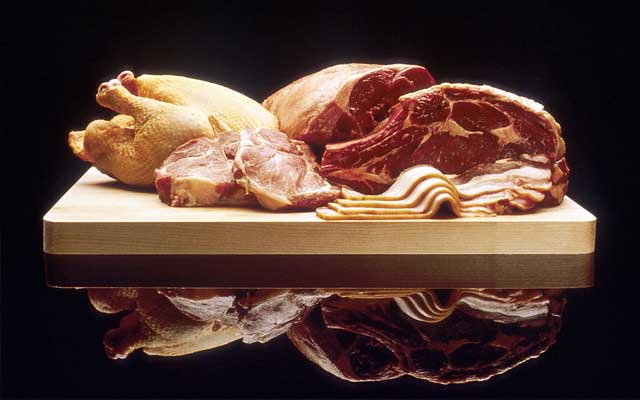
Image:wikimedia commons
Support Our Journalism
We cannot do without you.. your contribution supports unbiased journalism
IBNS is not driven by any ism- not wokeism, not racism, not skewed secularism, not hyper right-wing or left liberal ideals, nor by any hardline religious beliefs or hyper nationalism. We want to serve you good old objective news, as they are. We do not judge or preach. We let people decide for themselves. We only try to present factual and well-sourced news.
Support objective journalism for a small contribution.