


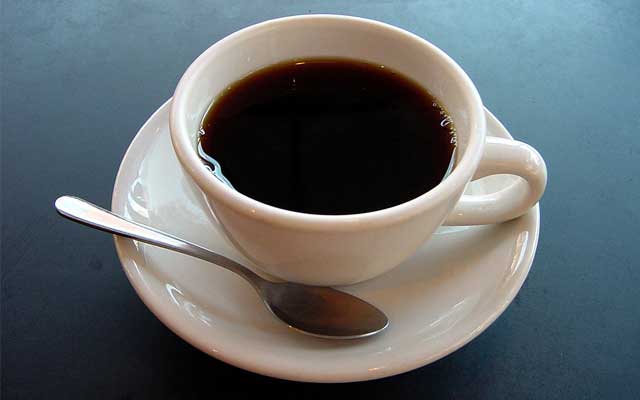
Coffee and tea may help manage irregular heart rate: Study
New York, Apr 17 (IBNS): Patients being treated for heart rhythm disorders are commonly advised to avoid caffeine, however a new study suggests coffee and tea may be tolerated – and could even help manage an irregular heart rate.Study lead, Prof Peter Kistler, is the director of electrophysiology at The Alfred, and the Baker Heart and Diabetes Institute.
Study lead, Prof Peter Kistler, is the director of electrophysiology at The Alfred, and the Baker Heart and Diabetes Institute.
He said there is a perception, often based solely on anecdotal experience, that caffeine is a common trigger for heart rhythm problems.
“There is significant public and professional interest in the role that caffeinated beverages – coffee, tea and energy drinks – have on cardiovascular health but the widely held belief that moderate intake can exacerbate arrhythmias is not supported by the medical literature,” Prof Kistler said.
Coffee is a stimulant and the most common form of cognitive enhancement – with Australians consuming 3kg of the humble bean per capita each year.
"Many doctors recommend patients with atrial or ventricular arrhythmias avoid caffeinated beverages – particularly coffee – however our extensive review of medical literature suggests this is unfounded,” Prof Kistler said.
“Large scale studies suggest coffee and tea are safe, and some caffeinated beverages may even have long term anti-arrhythmic properties – suppressing abnormal rhythms of the heart.
“Patients who regularly consume coffee and tea at moderate levels may even have a lower lifetime risk of developing heart rhythm problems, like atrial fibrillation.”
Regular caffeine intake of up to 300mg per day (one cup of coffee contains approximately 95mg of caffeine) appears to be well tolerated however, before getting out the coffee grinder, Prof Kistler notes there are individual cases where avoidance is sensible, and advises patients to seek medical advice before making a change to their diet.
“Energy drinks contain caffeine at much higher concentrations than tea or coffee, and can include other compounds, which can trigger arrhythmias. They are still best avoided by patients with pre-existing heart conditions,” he added.
Prof Kistler’s study, Caffeine and Arrhythmias: Time to grind the data, is in the current issue of the Journal of the American College of Cardiology.
Image: Wikimedia Commons
Support Our Journalism
We cannot do without you.. your contribution supports unbiased journalism
IBNS is not driven by any ism- not wokeism, not racism, not skewed secularism, not hyper right-wing or left liberal ideals, nor by any hardline religious beliefs or hyper nationalism. We want to serve you good old objective news, as they are. We do not judge or preach. We let people decide for themselves. We only try to present factual and well-sourced news.
Support objective journalism for a small contribution.


