


 Bhutan
Bhutan launches a million trees project
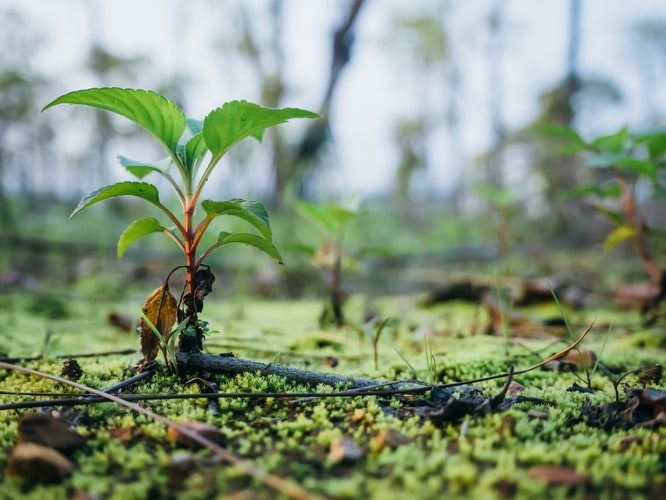
A million trees would be planted in the next five years in Bhutan’s fallow land under a drive, “Million Trees Project’, that kicked off this week in the Himalayan nation The drive aims to make optimal use of the limited arable land available in the country.
According to a report in the national newspaper Kuensel, the project, jointly launched by the Bhutan Ecological Society (BES) and the Bhutan Foundation, aims to generate some income for local farmers by these plantations.
“By cultivating high-value trees in lands that have been left fallow, the project will help improve the livelihoods of communities while nurturing the environment,” Pem Lama, the director of the BES, was quoted as saying by Kuensel.
Currently, 3.7 percent of Bhutan’s total land cover is arable. Of this, Lama said, an estimated 29 percent, close to 54,600 acres, are fallow due to human-wildlife conflict, lack of adequate water supply, and lack of access to markets.
Under the project, local farmers will be distributed with tree samplings of plums, pears, walnuts, and peaches across all 20 districts of the country. The distribution will be based on the agroecological zones of the areas.
Support Our Journalism
We cannot do without you.. your contribution supports unbiased journalism
IBNS is not driven by any ism- not wokeism, not racism, not skewed secularism, not hyper right-wing or left liberal ideals, nor by any hardline religious beliefs or hyper nationalism. We want to serve you good old objective news, as they are. We do not judge or preach. We let people decide for themselves. We only try to present factual and well-sourced news.
Support objective journalism for a small contribution.


