 COVID19
55 countries face a health worker crunch linked to COVID-19: WHO
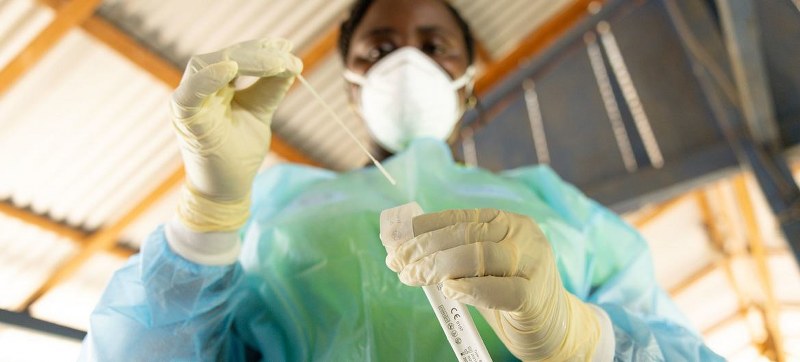
No less than 55 countries are struggling with serious health worker shortages as they continue to seek better paid opportunities in wealthier nations that have stepped up efforts to recruit them amid the COVID-19 pandemic, the World Health Organization (WHO) said on Tuesday.
According to the UN agency, African nations have been worst-hit by the phenomenon, with 37 countries on the continent facing health worker shortages that threaten their chances of achieving universal health care by 2030 – a key Sustainable Development Goals pledge.
The actions of wealthy countries that belong to the Organization for Economic Cooperation and Development (OECD) come under scrutiny in the WHO alert, among other regions.
Recruitment drive
“Within Africa it’s a very vibrant economy that is creating new opportunities”, said Dr. Jim Campbell, the Director responsible for health worker policy at WHO.
“The Gulf States have traditionally been reliant on international personnel and then some of the OECD high-income countries have really accelerated their recruitment and employment to respond to the pandemic and respond to the loss of lives, the infections, the absences of workers during the pandemic”.
To help countries protect their vulnerable healthcare systems, WHO has issued an updated health workforce support and safeguards list, which highlights nations with low numbers of qualified health care staff.
“These countries require priority support for health workforce development and health system strengthening, along with additional safeguards that limit active international recruitment,” the WHO insisted.
Tedros call
Supporting the call for universal healthcare for all countries, in line with the Sustainable Development Goals, WHO Director-General, Tedros Adhanom Ghebreyesus called on all countries “to respect the provisions in the WHO health workforce support and safeguards list”.
Health workers “are the backbone of every health system, and yet 55 countries with some of the world’s most fragile health systems do not have enough and many are losing their health workers to international migration,” Tedros added.
Commercial interest
Although many countries do respect existing WHO guidelines on recruitment of health care workers, the principle is not accepted wholesale, WHO warned.
“What we are seeing is that the majority of countries are respecting those provisions (by) not actively recruiting from these (vulnerable) countries,” said WHO’s Dr Campbell. “But there is also a private recruitment market that does exist and we’re looking to them to also reach some of the global standards that are anticipated in terms of their practice and behaviour.”
Mechanisms also exist for governments or other individuals to notify WHO if they are “worried” about the behaviour of recruiters, the WHO official added.
The WHO health workforce support and safeguard list does not prohibit international recruitment, but recommends that governments involved in such programmes are informed about the impact on the health system in countries where they source qualified health professionals.
Support Our Journalism
We cannot do without you.. your contribution supports unbiased journalism
IBNS is not driven by any ism- not wokeism, not racism, not skewed secularism, not hyper right-wing or left liberal ideals, nor by any hardline religious beliefs or hyper nationalism. We want to serve you good old objective news, as they are. We do not judge or preach. We let people decide for themselves. We only try to present factual and well-sourced news.
Support objective journalism for a small contribution.