India's consumption set for steady revival, driven by tax cuts, pay hikes and easing rates: HSBC
New Delhi: India’s consumer spending is showing early signs of a revival, Financial Express reported, citing HSBC Global Research projecting a significant boost in the coming years.
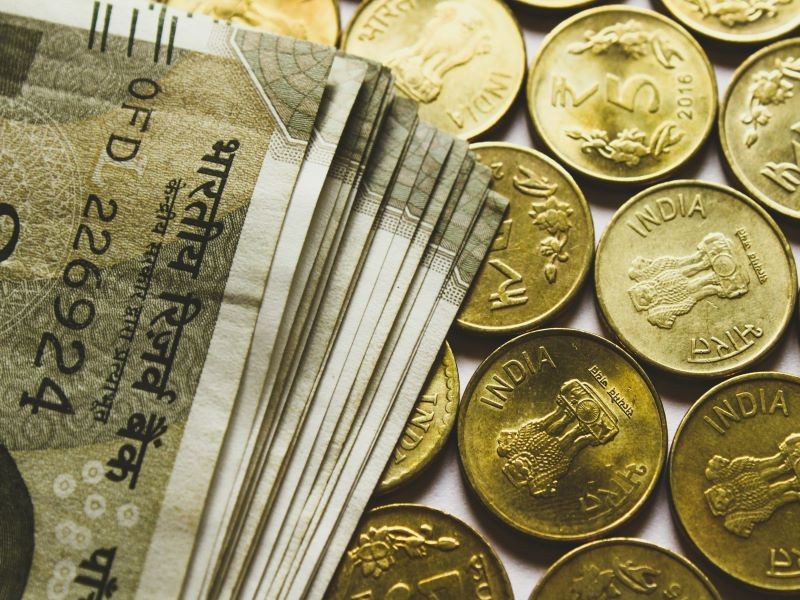
The report estimates that an annual injection of $30–40 billion into the economy over the next 18–24 months could meaningfully strengthen India’s consumption landscape.
Discretionary spending — across segments such as automobiles, electronics, dining, and consumer goods — currently stands at around $250 billion.
While the gains may not be evenly distributed across all sectors, HSBC noted that overall consumption should benefit from a rise in disposable income.
What’s fuelling higher disposable income?
According to HSBC, three key developments are likely to lift household spending power.
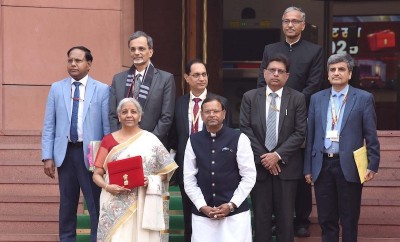
The report noted that lower personal income tax from FY26 budget is expected to result in savings of about $12 billion for taxpayers.
The 8th Pay Commission hike in FY27 will boost the salaries of government and defence personnel by 15%, infusing an expected $18–26 billion into the economy. HSBC expects most of this to translate into spending, despite some being set aside as savings.
With falling interest rates and inflation easing, disposable income in the hands of the masses is expected to grow. A projected 75–100 basis point fall in lending rates could generate mortgage-related savings of $3–4 billion. If inflation continues to moderate, these savings could rise further.
That said, HSBC cautioned that these tailwinds will emerge gradually, and no sharp increase in activity is expected in the near term — at least over the next 6–9 months.
Julius Baer sees lower- and middle-income boost
Separately, a Bloomberg report citing Julius Baer Group echoed expectations of a consumption revival. Nitin Raheja, head of discretionary equities at Julius Baer India, told Bloomberg that the lower- and middle-income groups would likely lead the spending recovery. He attributed this trend to easing inflation, ample monsoon rainfall, and tax reliefs.
Q4 earnings reflect cautious optimism
HSBC noted that the fourth quarter of FY25 performed better than anticipated, despite a slowdown in earnings growth.
Although FY26 NIFTY earnings estimates were revised downward by 5%, the cut was milder than expected. Bloomberg now forecasts NIFTY earnings growth of 11% in FY26 and 15% in FY27.
Among the top 500 listed companies, HSBC found that 61% surpassed their Q4FY25 earnings per share (EPS) estimates — better than the eight-quarter average of 59%, and a marked improvement from the preceding two quarters, when only 54% had exceeded expectations.
Muted revenue growth in H2
Excluding the banking and insurance sectors, Q4 revenue rose just 5.6% year-on-year.
HSBC added that second-half (H2) growth stood at around 5% YoY, lower than the 7–8% in the first half (H1).
However, this appeared to be more a result of a low base in H1 than a drop in momentum, with most indicators pointing to a stronger H2 performance.
Support Our Journalism
We cannot do without you.. your contribution supports unbiased journalism
IBNS is not driven by any ism- not wokeism, not racism, not skewed secularism, not hyper right-wing or left liberal ideals, nor by any hardline religious beliefs or hyper nationalism. We want to serve you good old objective news, as they are. We do not judge or preach. We let people decide for themselves. We only try to present factual and well-sourced news.
Support objective journalism for a small contribution.