India imposes port curbs on imports from Bangladesh in tit-for-tat move over trade restrictions
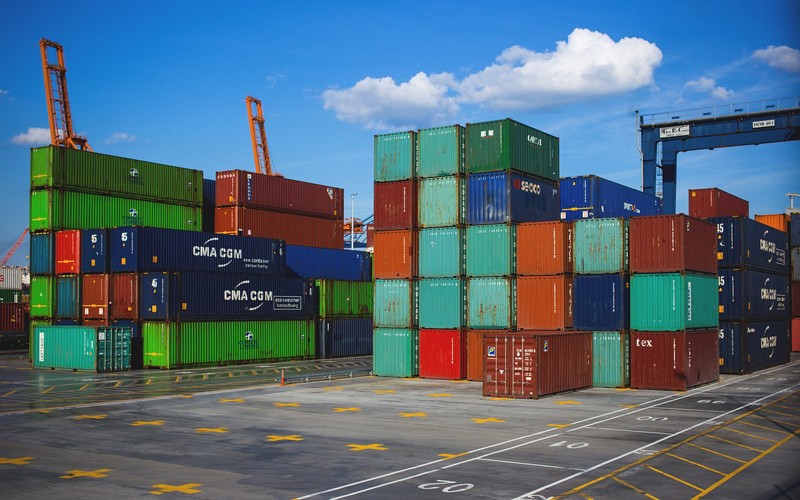
New Delhi: India on Saturday imposed port restrictions on the import of select goods from Bangladesh—such as readymade garments and processed food items, mirroring similar trade curbs enforced by Dhaka last month on Indian exports.
The move marks a sharp escalation in trade tensions between the two neighbours, whose bilateral ties have recently soured.
A notification issued by the Directorate General of Foreign Trade (DGFT) said the restrictions will not apply to goods from Bangladesh transiting through India to Nepal and Bhutan.
According to the new order, imports of readymade garments from Bangladesh will no longer be allowed through any land port and will be restricted to only the Nhava Sheva and Kolkata seaports.
Other items covered under the restrictions include fruits; fruit-flavoured and carbonated beverages; various processed food items like baked goods, snacks, chips and confectionery; cotton and cotton yarn waste; plastic and PVC finished products; dyes, plasticisers and granules; and wooden furniture.
These goods will not be permitted entry through Land Customs Stations (LCSs) or Integrated Check Posts (ICPs) in Assam, Meghalaya, Tripura and Mizoram, or through LCSs at Changrabandha and Fulbari in West Bengal.
The DGFT clarified that imports of fish, LPG, edible oil and crushed stone from Bangladesh remain exempt from the port restrictions.
The changes, which take effect immediately, were introduced via an amendment to India's import policy.
The move comes close on the heels of India's April 9 decision to withdraw transhipment privileges earlier extended to Bangladesh for routing exports to the Middle East, Europe and other regions, barring Nepal and Bhutan.
That decision came after controversial remarks by Bangladesh’s interim government chief Muhammad Yunus during a visit to China, where he said India’s northeastern states are landlocked and reliant on Bangladesh for sea access—comments that were met with strong reactions in New Delhi and across India's political spectrum.
Tensions were already high, with Indian exporters—particularly in the apparel sector—urging New Delhi to act against what they viewed as unfair trade practices.
Indian officials say that while India had long permitted unrestricted Bangladeshi exports through all land and sea routes, Dhaka had placed new restrictions on Indian shipments at several LCSs and ICPs bordering the northeast, according to PTI.
From April 13, India’s yarn exports were blocked at landports and subjected to intensive scrutiny.
Further restrictions followed on April 15, including a ban on rice shipments via the Benapole ICP. Officials also flagged that Bangladesh’s high and economically unviable transit charges are impeding industrial growth in India’s northeastern states.
“Due to these landport curbs, northeastern states are unable to access Bangladesh’s consumer market beyond primary agricultural goods, while Bangladeshi exporters enjoy full access to the region,” an official told PTI on the grounds of anonymity.
The same official added that the list of restricted goods will be reviewed periodically to support equitable economic development in the northeast.
India’s decision is seen as a reciprocal step after Bangladesh recently limited Indian yarn imports via land ports, permitting them only through seaports.
"Bangladesh cannot cherry-pick terms of bilateral engagement solely to benefit itself or take India's market access for granted," the official said, adding that India remains open to talks but expects a more constructive approach from Dhaka, according to PTI.
Bangladesh currently exports over $700 million worth of readymade garments to India annually.
Support Our Journalism
We cannot do without you.. your contribution supports unbiased journalism
IBNS is not driven by any ism- not wokeism, not racism, not skewed secularism, not hyper right-wing or left liberal ideals, nor by any hardline religious beliefs or hyper nationalism. We want to serve you good old objective news, as they are. We do not judge or preach. We let people decide for themselves. We only try to present factual and well-sourced news.
Support objective journalism for a small contribution.