HPCL to invest ₹2,000 crore in 24 compressed biogas plants to boost clean energy push
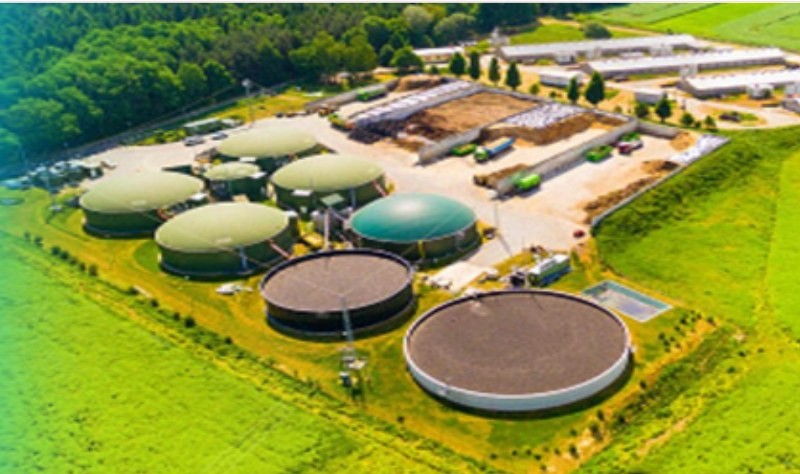
Hindustan Petroleum Corporation Ltd (HPCL) plans to invest around ₹2,000 crore (approximately $231 million) over the next two to three years to establish 24 compressed biogas (CBG) plants across India.
A senior company official confirmed the development on Friday, marking a significant step in the state-run fuel retailer’s green energy transition, reported Reuters.
The initiative is being executed by HPCL Renewable and Green Energy Ltd, a subsidiary of HPCL.
According to the subsidiary's CEO, Mohit Dhawan, the company has already commissioned two CBG plants and intends to build 24 additional units, the report said.
Each plant is expected to produce 10–15 tonnes of CBG per day using a variety of organic feedstock, including agricultural residue, cattle dung, and sewage water.
As one of the world’s top emitters of greenhouse gases, India is increasingly turning to cleaner alternatives like CBG to cut emissions and meet its 2070 net-zero target.
The move aligns with the government’s broader push to utilise organic waste for sustainable energy production.
In April this year, India mandated the blending of CBG with conventional gas used in vehicles and household cooking, starting at 1%. This proportion is expected to rise gradually to 5% by 2028–29.
Speaking at the same event, Vikas Singh, a senior official at the Union oil ministry, said that about 28 million standard cubic metres of gas (MMSCMD) is currently consumed daily for cooking and mobility, the report added.
By 2028–29, this figure is expected to climb to 44 MMSCMD, driven by increased uptake of greener fuels.
Singh noted that India will require about 480 CBG plants to meet this target, with state-run oil and gas companies responsible for building at least 195 of them.
India currently imports nearly half of its natural gas requirements through expensive liquefied natural gas (LNG) shipments.
The government aims to increase the share of natural gas in its energy mix from 6% today to 15% by 2030.
The expansion of domestic CBG capacity is expected to reduce reliance on imports and bring cleaner, more affordable energy to Indian consumers.
Support Our Journalism
We cannot do without you.. your contribution supports unbiased journalism
IBNS is not driven by any ism- not wokeism, not racism, not skewed secularism, not hyper right-wing or left liberal ideals, nor by any hardline religious beliefs or hyper nationalism. We want to serve you good old objective news, as they are. We do not judge or preach. We let people decide for themselves. We only try to present factual and well-sourced news.
Support objective journalism for a small contribution.